Archive | Brunch RSS feed for this section

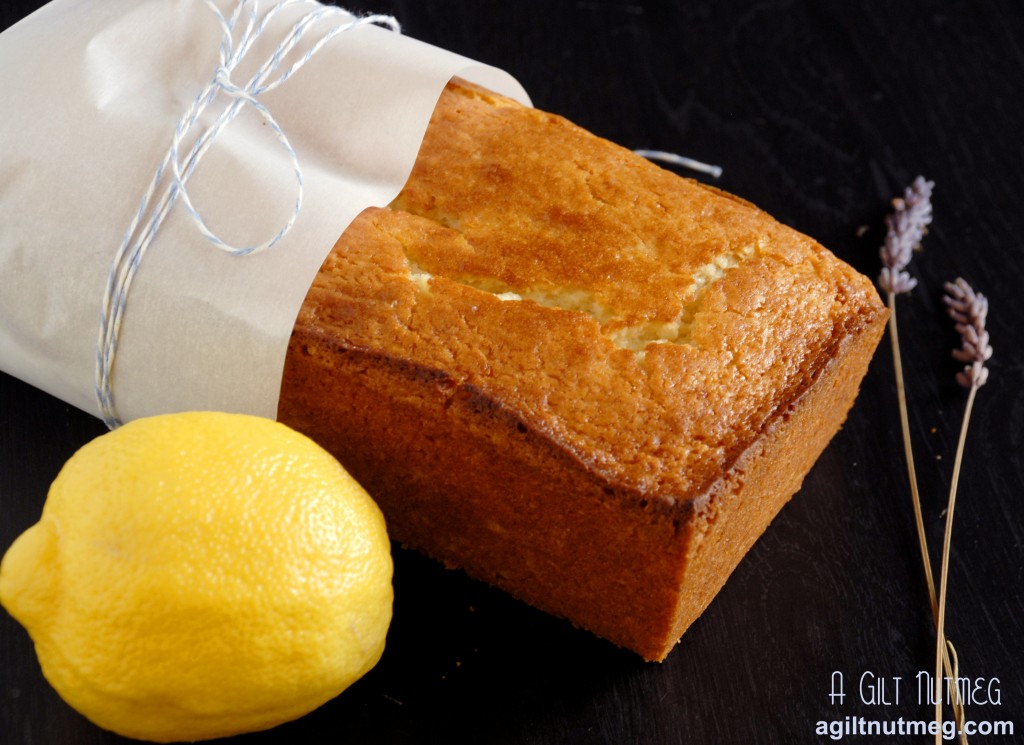
French Yogurt Cake

4 May


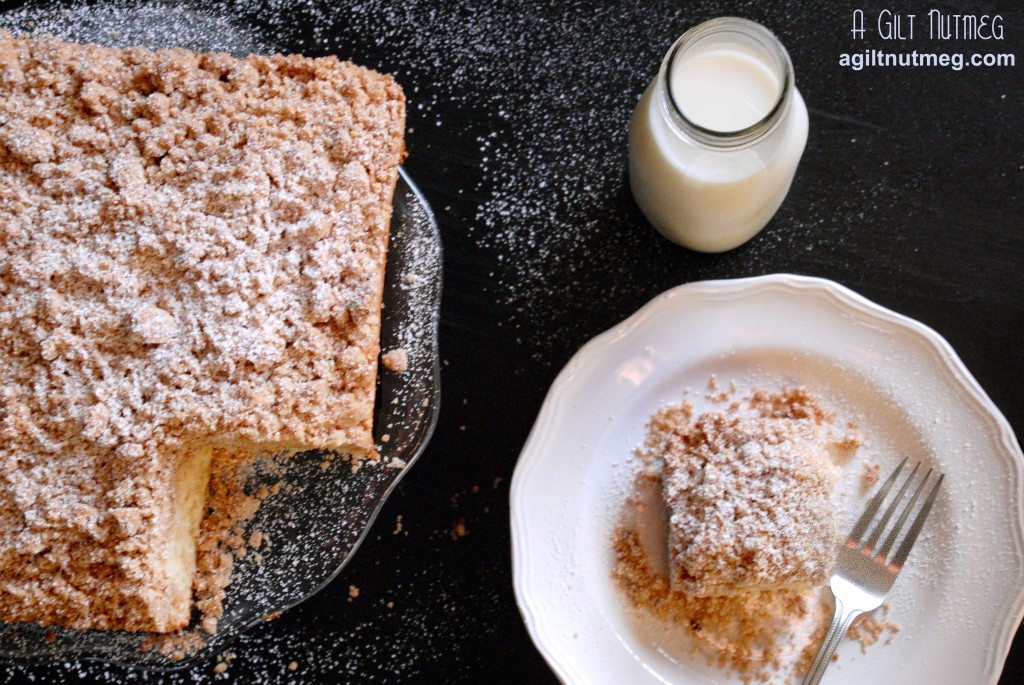
french yogurt cake

Lots of people tell me that baking is hard for them, but I’m always right there assuring them it’s not as hard as it seems.  With baking being so daunting, many people are only willing to attempt the back of a cake mix box; “Add”, “Stir”, “Bake”.  This recipe has just a few extra steps beyond that and it looks beautiful, but guess what?  It’s the first recipe a child in France is given to try.  If they can do it, you certainly can too, right?

The cake itself is very close to a pound cake–a close cousin, if you will–yet with a distinctly lighter texture and a very bright tangy lemon and yogurt flavor.  It’s perfect for spring and the various brunches that are always popping up around this time.  Make it for friends, or, if yours is a family that enjoys baking regularly, give it to your child to try making on their own.  It’s the French way, after all!

**Edit: I made this cake Thursday night and just got home today, Friday, from work to find nothing but CRUMBS.  Between me, The Roommate and The Boyfriend, this cake was clearly a huge winner–lasting less than 24 hours has to be a sign!

French Yogurt Cake
Adapted from Bon Appetit, May 2012

  • 1 1/2 cups flour
  • 2 teaspoons baking powder
  • 3/4 teaspoon kosher salt
  • 1 cup sugar
  • Zest of 1 lemon
  • 3/4 cup whole-milk Greek yogurt
  • 1/2 cup vegetable oil
  • 2 large eggs
  • 1/2 teaspoon vanilla extract
  1. Heat oven to 350 degrees and grease the inside of a loaf pan (I used a 8 1/2 x 4 1/4-inch sized pan) with baking spray.
  2. In a medium bowl, combine the flour, baking powder and salt.
  3. In large bowl, add the sugar and lemon zest, then with your fingers, pinch and mash the sugar.  You’re getting all that good lemon flavor incorporated into the sugar, so work with it for at least a minute, probably two minutes.  You’ll know it’s done when the sugar starts to look crumbly.
  4. Add the yogurt, oil, eggs and vanilla to the sugar lemon mixture and stir until smooth.
  5. Add the flour mixture to the wet ingredients and fold them in.  You don’t want to just stir them in, but do keep folding until the batter is mostly smooth.
  6. Pour the batter into the prepared pan, smooth out the batter on top, and bake for 45-50 minutes, until golden brown on top and hollow sounding when you tap it on top.
  7. Let cool in the pan for 15 minutes, then invert it onto a wire rack to finish cooling before eating.  Enjoy!


Honey Muffins

30 Apr


honey muffins

There’s nothing better than waking up to the smell of fresh baked muffins.  While most muffins have that wonderful warm, bready-cakey scent, these particular muffins are even more wonderful because the scent of sweet honey will linger throughout your house as well.

They’re a snap to whip up for a quick breakfast and make for a great muffin to grab on the way out the door.  I left them in a bowl on the kitchen table and every day would come home to find one or two missing, as The Boyfriend and The Roommate kept snatching them to eat on the way to work!

Honey Muffins
Yields 12 muffins
From Taste of Home

  • 2 cups all-purpose flour
  • 1/2 cup sugar
  • 3 teaspoons baking powder
  • 1/2 teaspoon salt
  • 1 egg
  • 1 cup milk
  • 1/4 cup butter, melted
  • 1/4 cup honey
  1. Heat oven to 400 degrees.  Grease a muffin pan or line it with cupcake papers.
  2. In a large bowl, stir together the flour, sugar, baking powder and salt until thoroughly combined.
  3. In a separate bowl, stir together the egg, milk, butter and honey until thoroughly combined.
  4. Add the wet ingredients into the dry ingredients and stir just until you don’t see any streaks of dry ingredients anymore.
  5. Divide the batter evenly amongst the 12 muffin cups in the prepared pan and bake for about 15 minutes, until an inserted toothpick comes out clean.
  6. Serve warm with butter and enjoy!

Lemon Sugar Dutch Baby

20 Apr


lemon sugar dutchbaby

 A few weeks ago, my roommate told me her favorite brunch food was a Dutch Baby.  Knockawhat??  I did a double take and asked her to repeat what she just said.  I then took to the internet to make sure she wasn’t importing small children from the Netherlands to eat and instead discovered what is now one of my all time favorite breakfast/brunch items to make because a) it’s incredibly easy and b) it’s also pretty much one of the most impressive things you could possibly put on a table in front of guests, not to mention one of the most tasty.

To put it in simplest terms, a Dutch Baby is a cross between a pancake and a popover.  It’s the size of a very large pancake but it’s eggy and puffy from steam in the batter just like a popover.  The difference is that in this case the batter is sweetened or spiced and instead of serving it with Sunday Pot Roast, it’s sprinkled with sugar and spritzed with fresh lemon juice.

The reason we were even discussing Dutch Babies in the first place was because my roommate was complaining that they were hard to come by in restaurants.  I promised her I would make one for her soon and last weekend we all gathered on the floor around the coffee table and had our first Apartment 5 Dutch Baby.  Like I said, it was so easy and so deliciously sweet and tart that I’m sure it won’t be long before another one graces our brunch table–and I’ll be counting down the days until it does.

Lemon Sugar Dutch Baby
Adapted from Gourmet
Serves 4

  • 3 large eggs that have been sitting at room temperature for 30 minutes
  • 2/3 cup whole milk at room temperature
  • 2/3 cup flour
  • 1/4 teaspoon vanilla extract
  • 1/8 teaspoon cinnamon
  • 1/8 teaspoon nutmeg
  • 1/8 teaspoon coarse salt
  • 1/2 stick unsalted butter, cut into 4 pieces
  • 1/3 cup sugar
  • 2 teaspoons grated lemon zest
  1. Find a 10″ cast iron or oven proof skillet, place it on the middle rack in your oven, and heat oven to 450 degrees (start this step early because you want the skillet to be very hot and the batter takes no time to throw together).
  2. Beat the eggs on high speed for a few minutes until pale and frothy.
  3. Add the milk, flour, vanilla, cinnamon, nutmeg and salt and keep beating for another minute, until the ingredients are smooth and fully incorporated.
  4. Using heavy duty oven mitts, pull the skillet out of the oven (close the oven door), and put it down on the stove or somewhere else heatproof.  Toss the pieces of butter into the skillet and swirl the skillet around so that it is fully coated as the butter melts.
  5. Once the butter is fully melted, pour the batter in and immediately pop the skillet back into the oven.
  6. Bake for about 20 minutes; it should look puffy and evenly golden brown around the edges when it’s done.
  7. While it’s in the oven baking, stir together the sugar and lemon zest in a small bowl and set aside.
  8. Once the Dutch Baby is done, pull it out of the oven, sprinkle a few spoonfuls of lemon sugar over it and serve immediately while still warm.  Serve with lemon wedges to squeeze over the slices of Dutch Baby and the extra lemon sugar for those who need a little more sweetness.  Enjoy!

Hot Cross Buns

4 Apr


So I have to admit something to you: these hot cross buns for Good Friday this week didn’t turn out the way I had hoped.  And since this blog is supposed to be inspirational, I want you to know that it’s okay to mess up in the kitchen as long as it’s in the spirit of trying something new.  For some reason, my cooking nemesis is yeasted bread and rolls (and meringue, but we’re slowly, cautiously becoming friends) and I will not give up until I get it right.  I don’t know what the problem is, be it too much flour or not enough flour or rising temperature or sub-par kneading skills, but my bread almost always turns out heavy and dense.  The only yeasty bread item I’ve ever made to satisfactory standards (and delicious standards) was my Fat Tuesday King Cake.  Once I save up a few pennies, I think I’m going to take a class on yeast breads just to make sure I understand the proper technique .

At least with these buns, I know what a big part of the problem was–I was softening butter in the microwave and completely forgot to take it out and add it to the dough.  Oops.  Oh well.  I also don’t have a stand mixer or bread machine so I may not have kneaded long enough.

I’ve posted the original recipe from King Arthur Flour below for you to try yourself.  I will say that, though the texture wasn’t right (again, my fault), the flavor is delicious.  Instead of raisins, currants, and all the extra dried fruit, I stuck to just a 1/2 cup (I made a half-recipe) of rum-soaked dried cranberries; it went beautifully with the spices in the buns and the whole house smelled like my favorite tiki bar– the scent of spiced rum was hanging in the air in an exotic way.  The boyfriend admitted these buns weren’t my best effort, but then he ate three of them, so I clearly got SOMEthing right and I think it was those flavors.

Hot Cross Buns

Adapted from King Arthur Flour

Makes 12-14 buns

  • 1/4 cup dark rum (or apple juice)
  • 1/2 – 3/4 cup dried cranberries
  • 1 1/4 cups milk, room temperature
  • 3 large eggs, 1 separated
  • 6 tablespoons butter, room temperature
  • 2 teaspoons instant yeast
  • 1/4 cup light brown sugar, firmly packed
  • 1 teaspoon ground cinnamon
  • 1/4 teaspoon ground cloves
  • 1/4 teaspoon ground nutmeg
  • 1 3/4 teaspoons salt
  • 1 Tablespoon baking powder
  • 4 1/2 cups flour

Glaze

  • 1 tablespoon of milk + the egg white from the egg separated above

Icing

  • 1 cup + 2 Tablespoons confectioners’ sugar
  • pinch of salt
  • 4 teaspoons milk, or “enough to make a thick, pipeable icing”
  1. Lightly grease a  9 x 13″ pan.
  2. Put the rum and cranberries in a bowl and let them soak for about a half hour.  If you don’t have the time to wait, put them in the microwave for about a minute and then let them cool before adding them to the dough.
  3. Mix together the rest of the bread ingredients except for the fruit and knead in a stand mixer or bread machine until soft and elastic.
  4. Add the cranberries and any rum that wasn’t soaked up to the dough and mix until incorporated.
  5. Let the dough rise for an hour.  KAF warns, “It should become puffy, though may not double in bulk.”
  6. Divide the dough into 12-14 billiard ball sized pieces and arrange in the prepared pan.
  7. Let them rise for another hour, until the balls are touching.  Preheat the oven to 375 degrees in the meantime.
  8. Whisk together the tablespoon of milk and the egg white and brush over the buns before baking.  Bake for 20 minutes until golden brown; let cool on a wire rack.
  9. Whisk together the icing ingredients and pipe them into crosses over each bun.  Enjoy!
Pin It

English Muffin Bread

30 Mar


english muffin bread

A true testament to this recipe:  I made it two days ago and ever since have been desperately craving another slice.  I will admit right off, as I was wrapping up the bread after it cooled, I was thinking, “how on earth can this be good?  It just seems so dense and unappetizing…”  but the next day I sliced it and toasted it and spread it with butter and my plum jam and ohmigoodness.

It’s certainly not a light airy French bread, but what I thought was totally dense and unappealing (even after slicing it and dubiously putting it in the toaster), ended up being perfectly chewy and crispy and craggy in all the right places, just like an English muffin.  And like I said, I can’t stop craving it!  It comes together with minimal effort and barely any dirty dishes, so that’s always a plus in my book.  A nice toasted slice with fruit or honey on top would be perfect for a weekend spring morning, sitting in the sunshine and listening to the birds chatter (at least that’s how I envision a perfect morning…).

English Muffin Bread
Adapted from One Good Thing
Makes 2 loaves

  • coarse corn meal for dusting the pans
  • 2 3/4 cup warm water (105-110 degrees)
  • 1 1/2 packages rapid rise yeast
  • 1 Tablespoon salt
  • 1 1/2 Tablespoons sugar
  • 5 1/2 cups flour
  • 2 tablespoons melted butter to brush on loaves later
  1. Spray two loaf pans with non-stick baking spray and dust the insides with coarse cornmeal (just like a real English muffin!).  Shake the pan around until evenly coated as best you can get it, then dump the excess out.
  2. In a large bowl, combine all of the remaining ingredients except for the butter and mix just barely until all of the ingredients are combined.  (Jillee of One Good Thing showed a picture of her batter and it was very very sticky, much stickier than mine, so don’t worry if it’s sticky–don’t add extra flour)
  3. Divide the batter-dough between the loaf pans and use a spatula to smooth out the surface.
  4. Preheat your oven now to 350 degrees, or later depending on how long it takes for your oven to heat.  Place the loaf pans in a warmish spot in your kitchen, cover with a kitchen towel, and let the dough rise until it reaches the top of the loaf pans.  This took about an hour and 20 minutes for me.
  5. Bake the loaves for 35 minutes, brush the top of the loaves with the melted butter, and bake for another 5-10 minutes until the tops are perfectly golden brown.
  6. Take the loaves out of their pans and let them cool on a wire rack.  Resist the urge to slice and eat them now; allow them to cool 100% completely.
  7. When ready to eat, slice thickly and toast.  Top with butter, jam, honey, fruit, whatever sounds good to you, and enjoy!

Fat Tuesday King Cake

21 Feb


Happy Fat Tuesday, everyone!  Though I am not currently in New Orleans sipping on a hurricane, that doesn’t mean I’m not partaking in the traditional gluttony of the day, namely in the baked form known as King Cake.

I’ve always been hesitant to try making King Cake because it’s a brioche dough and goodness knows I have issues with yeast doughs.  It’s not the yeast that’s the problem, it’s “the dough is really sticky, do I add more flour?  Did I add too much flour and now it’s too dense and heavy?  Will the dough ever come out from under my fingernails?”  I was shocked at how easy this came together.  It’s a great beginners recipe for yeasty recipes!

While researching for this post, I read a lot of recipes over the last few days and found some great ones.  This is a pretty simple straightforward one, a sweet delicious brioche dough and a cinnamon cream cheese filling.  It’s so satisfying (especially with coffee) that I really wouldn’t mind if I used only this recipe for the rest of my life, but I can’t wait to make it again soon with additions to the dough like nutmeg and lemon zest.

Tradition states you hide a tiny plastic baby in the cake; the person who finds it gets good luck for the entire year but also has to bring the King Cake to next year’s party.  I didn’t have a tiny plastic baby on hand on such short notice.  If I had my wits about me, I would have hidden a pecan half in there somewhere since it’s an edible object, but I wasn’t thinking so I brought the cake to the office sans good luck charm.  The ruckus everyone made made it very clear that I made a huge mistake and so, without anything better, I resorted to pushing a nickel up from the bottom of the bread and just had to cross my fingers that no one broke a tooth or choked (we’re all safe, thankfully).

Eat up–the one I brought into the office went quickly–and enjoy this day of excess by having another slice!

King Cake
Adapted from Foodie Bride’s friend Erica

Dough

  • 1 cup warm water, about 105 degrees
  • 1/4 cup sugar (1 tablespoon measured out of that 1/4 cup and set aside)
  • 1 pkg yeast
  • 1 egg
  • 1 egg yolk
  • 4 tablespoons butter, melted
  • 3 cups flour, plus more for dusting work surface
  • 1 tsp salt
  • Oil or cooking spray, for coating bowl

Filling

  • 8 oz cream cheese, room temperature
  • 1/4 cup + 2 tablespoons sugar
  • 1 egg yolk
  • 1 teaspoon vanilla
  • 1/2 rounded tsp cinnamon
  • 2 tablespoons melted butter

Glaze

  • 1 cup powdered sugar
  • 1/2 teaspoon vanilla
  • 4 teaspoon water
  • green, purple & yellow decorating sugar OR 3/4 cups plain sugar, divided into three bowls, 1/4 cup sugar per bowl and green, red, blue, and yellow food coloring


  1. In a large mixing bowl, add the warm water, that one tablespoon of sugar you measured out, and the yeast.  Let it sit for 10 minutes.
  2. Add the melted butter, egg, egg yolk, what’s left of the 1/4 cup of sugar, 3 cups flour, and salt.  Stir with a large wooden spoon until the dough comes together (I added the flour in 3 portions, mixing thoroughly after each).  Have an extra 1/2 cup of flour on hand in case the dough is way too sticky, but I have to say that this is the first yeast dough I’ve ever done where I didn’t have to add any extra flour at all and it was just right.  It should be just a little sticky, and look a little lumpy.
  3. Lightly oil a large metal bowl and transfer the dough into the bowl.  Cover with a dish towel and let the dough rise in a warm spot until double in size, about an hour.
  4. In the meantime while the dough is rising, clean the kitchen (at least that’s what I did, because I didn’t want to torture my roommate any more), set the oven to heat to 375 degrees and then make the filling.
  5. Add cream cheese, sugar, egg yolk, vanilla and cinnamon (that’s everything BUT the melted butter) to a medium mixing bowl and, using an electric mixer, beat on medium until the filling is smooth and spreadable, which won’t take too long.
  6. When the dough is done rising, sprinkle a surface (I covered my dining room table with saran wrap) with flour and roll the dough out with a rolling pin until it is a rectangle approximately 12″ tall and 18″ wide.
  7. Using a pastry brush, brush the melted butter over the dough, leaving an inch or so of dough along the farthest wide edge dry.
  8. Spread the cinnamon cream cheese filling evenly over the dough (leaving that inch of dough dry again).
  9. Taking the wide edge of the dough closest to you, gently roll it up and away from you, forming a big giant cinnamon roll log.  Pinch the long seam closed as best you can, then arrange the rolled up dough in a ring shape on a baking sheet, pinching the two open ends together to close the ring.  I tried to stretch it out as best I could so that it would hold a little of its ring shape instead of just baking up into one big ball.  Emeril Lagasse suggests putting a well greased coffee can in the middle there so that the hole doesn’t close up.
  10. Bake for 25 minutes until nicely golden brown on top (I prefer my baked goods lighter rather than darker, but in this case I went for the whole 25 minutes to ensure the inside was baked properly and the top was only slightly darker golden than I normally go for).
  11. Let the bread cool on a wire rack before glazing.
  12. If you are coloring your own sugar, do that now–I highly recommend it because, though it took an extra 10 minutes or so of work, it was worth it because it was free (I already had sugar and food coloring in my cabinets) versus paying $6 for pre-colored sugars.  In the first bowl, I used 3 drops of yellow, in the second I used 3 drops of green, and in the third bowl I used 3 drops of blue and 3 drops of red.  The food coloring will basically just stick to a little clump of sugar, but if you take a spoon and keep jabbing at that little droplet, it will break up and color the rest of the sugar.  The Boyfriend and I (isn’t he sweet to help?) took about 5 minutes per bowl of stirring, tapping and jabbing, but I think the colors turned out nicely!
  13. To make the glaze, add all the ingredients in except for the colored sugars into a small mixing bowl and whisk until thoroughly combined and smooth.  The thickness of the glaze is up to you; I wanted one that was pourable but that wouldn’t just drip right over the sides and look messy.  You can add a little water (a little goes a looooong way here) or some powdered sugar to adjust the glaze to your desired thickness.  Save a little glaze to drizzle over the top of the sugar afterwards or just use this now and then later throw together a little sugar and water until it’s drizzling consistency.
  14. Let the glaze set for 5 minutes or so before decorating.  King Cakes are usually decorated in alternating stripes of the green-yellow-purple colors, but you can get creative if you want!  Just be sure to lay the sugar on thick, because I tried to go thin on my sugar layer and the white glaze underneath would start to show through (in some cases the sugar dissolved and in other cases the glaze would get heavy with the sugar and start to drip farther down the side of the cake, so there would be white stripes where the sugar had slid down.  Being heavy handed on the sugar solved both of these problems!).  Drizzle with some extra glaze.
  15. Serve with coffee and enjoy your Fat Tuesday!


Blue Cheese & Red Potato Tart

6 Feb


blue cheese red potato tart

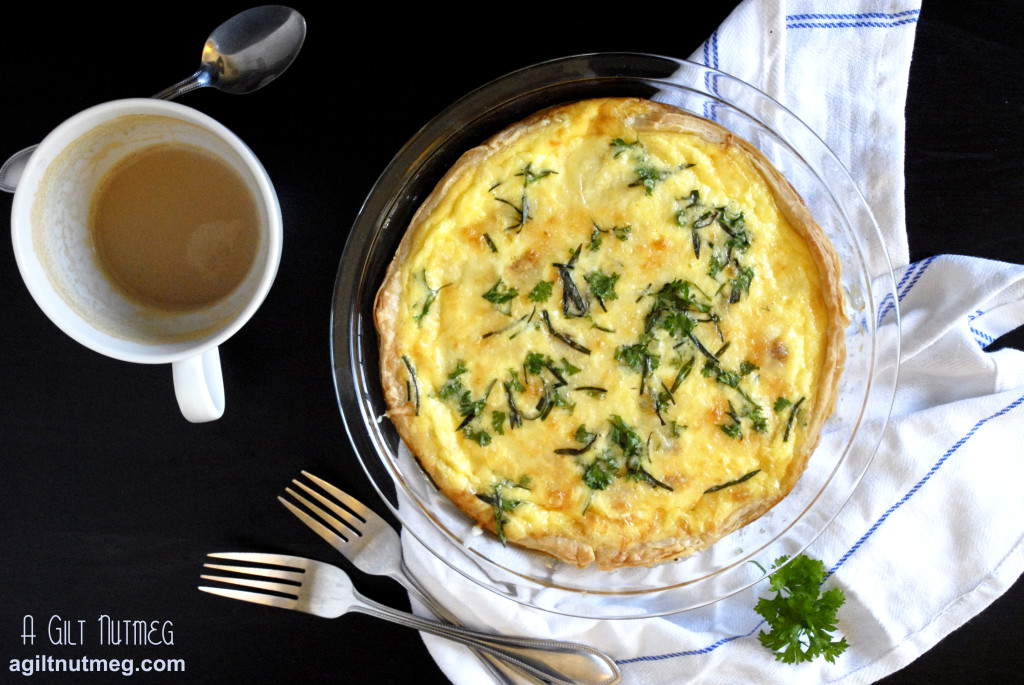
I think one of the first blog recipes I saved away to cook someday was Lindsay of Love and Olive Oil’s Blue Cheese and Red Potato Tart.  It sounded so familiar yet exotic at the same time and I’m ashamed to admit that it sat in my virtual recipe box for a year and a half now.  But when some lovely red potatoes showed up in my CSA box last week I just felt it:  it was finally time to make this tart that I’ve been dreaming about for so long.

The crust turns out perfectly tender, the potatoes are creamy and the blue cheese gives just the right amount of tang.  The Boyfriend and I had this and a salad for dinner, but I bet it would be fantastic with some sausage crumbles on it and served for a brunch.

Blue Cheese & Red Potato Tart

Adapted from Love & Olive Oil (who adapted it from Smitten Kitchen who adapted it from Gourmet)

Crust:

  • 1 1/4 cups flour
  • 1 tablespoon plus 2 teaspoons cornstarch
  • 1/4 teaspoon salt
  • 6 tablespoons unsalted butter, cubed
  • 1 egg

Filling:

  • 1 lb small red potatoes, sliced into 1/4″ slices (but wait until the crust is in the fridge to slice the potatoes so they don’t turn brown!)
  • about 1/2 cup crumbled blue cheese
  • 1 cup heavy cream
  • 1 egg yolk
  • thyme & rosemary to your liking (about a teaspoon or two of both)
  • finishing sea salt for seasoning afterwards
  1. Combine the flour, cornstarch and salt in a food processor and pulse a few times to combine.
  2. Add the cubed butter to the food processor and pulse until the contents look like coarse cornmeal.
  3. Add the egg and run the processor for 1-2 minutes until the dough forms large (approx pea sized or larger) clumps.
  4. You can, at this point, either squish the dough together and roll it out with a rolling pin on a floured surface, but I just dumped the crumbs into the tart pan (a 9″ circle is best; I used a 9″ square pan) and pressed them evenly into the pan.
  5. Chill the tart pan in the refrigerator for 30 minutes.
  6. Preheat the oven to 350 and slice your potatoes into 1/4″ slices.
  7. Arrange the potato slices slightly overlapping in the crust and sprinkle the blue cheese evenly over the potatoes.
  8. In a small bowl (I did it directly into my glass liquid measuring cup) whisk the egg yolk into the heavy cream and pour it over the potatoes–since my square tart pan wasn’t as large as Lindsay’s round one was, I left about 1/2″ – 1″ of liquid in the measuring cup just to make sure it didn’t over flow.  I just made sure that the potatoes were barely covered by the cream.
  9. Sprinkle the thyme and rosemary evenly over the tart.
  10. Bake the tart until bubbling and browned, 40-50 minutes.
  11. Let the tart cool for a few minutes and enjoy!

Blackberry Breakfast Cake

25 Jan


Buttermilk Blackberry Breakfast Cake

Blackberries…Cake…Breakfast….I think that The Boyfriend has never heard a more delightful combination of three of his favorite words in the same phrase.  Needless to say, this was an absolute hit.  It was a little more light, airy, and crumbly than normal cake, which must be why it’s called “breakfast cake”, since it really lent itself to being paired with other hearty breakfast items (like the phenomenal Baked Eggs Benedict my dear friend Anna made) without being overbearing and too filling.

The recipe I found on The Dainty Chef (via Pinterest) uses blueberries and my intention was to do the same until I went to the store and was faced with a sign declaring “Buy one carton of fresh blackberries, get TWO free”.  I don’t even like blackberries, but it was such a crazy deal that I still bought them, hoping maybe The Boyfriend would eat them, since I know he enjoys them.  I think they really went perfect with the cake recipe; because the berries are so big and there are so many of them, the cake ends up delicate and full of berry flavor in every bite.  If berries are showing up in your market, jump on this recipe right now!  If not, promise me you’ll tuck it away to try this summer the instant you spot any kind of berry.

Buttermilk Blackberry Breakfast Cake

Adapted from The Dainty Chef

  • ½ cup unsalted butter, room temperature
  • 2 tsp. lemon zest or more — zest from 1 large lemon
  • 1 cup sugar
  • 1 egg, room temperature
  • 1 tsp. vanilla
  • 2 cups flour
  • 2 tsp. baking powder
  • 1 tsp. kosher salt
  • 2 containers of fresh blackberries or other berries (I’m referring to the small flat containers my grocery store offers blackberries in.  You want at least 2 cups of berries, whatever you choose)
  • ½ cup buttermilk
  • extra sugar for sprinkling
  1. Heat oven to 350 degrees and grease a 9X9 inch baking pan.
  2. Cream the butter with lemon zest and sugar for 2-3 minutes.
  3. Add the egg and vanilla, beating until combined.
  4. Whisk together flour, baking powder and salt in a separate small bowl.
  5. Mix a little of the flour mixture into the butter and sugar mixture, then a little of the buttermilk, combining thoroughly each time and continuing to alternate between the two until everything is mixed in.
  6. Gently fold the blackberries in to the mixture.
  7. Spread the batter into the prepared baking pan and bake.  Dainty Chef said to bake 35-45 minutes, but I think I let mine in for closer to an hour or even a little more.  It could be because I was in a strange mountain cabin with an oven I’m not used to, but I definitely went way beyond 35 minutes.
  8. Let cool for 15 minutes and enjoy!  It would be great with whipped cream if you want to eat just that, but eggs and bacon are perfect too!

Peaches & Cream French Toast

16 Dec


I think I’ve found my new favorite breakfast–so easy to put together the night before, so the next morning practically all you have to do is throw it in the oven.  Not to even mention that it’s French toast.  And what’s more, it’s French toast that is so perfectly sweet and crunchy and custard-like in different places that to drench this in overly saccharine maple syrup would just be a crime!

I’m posting it now in case you don’t have anything planned for breakfast on Christmas morning, but really this recipe is great for any time of the year when you have guests (or not) and want a deliciously impressive breakfast that doesn’t take much effort at all in the morning.  I admit, the recipe uses canned peaches, which I feel is breaking some sort of “I’m-a-food-blogger-so-I-grind-my-own-wheat-for-flour” rule, but it just makes the recipe that much simpler and it means you’re not forced to wait until summer time to make it!

That said, I absolutely cannot wait until summer time to try this recipe with all the fresh fruits of the season–fresh blueberries and peaches, strawberries, raspberries…the possibilities are endless!  T-minus 5 months and counting…

Peaches & Cream French Toast
Serves 6
Adapted from All You via My Recipes

  • 1 8-oz. loaf French bread, sliced (I found a 16 oz loaf at Trader Joe’s, it’s just a half
  • 8 large eggs
  • 2 cups whole milk
  • 1/4 cup sugar
  • 2 teaspoons vanilla extract
  • 2 cans (15-oz.) sliced peaches packed in juice (not in syrup!), drained
  • 1/2 cup dark brown sugar (I think I used more like 3/4 cup, though)
  • plenty of cinnamon for sprinkling
  • 1/2 cup heavy cream
  1. There are two different approaches to arranging this recipe.  If you use a 9×13 glass baking dish, you’ll be overlapping your bread slices, which is what the original recipe calls for, which I imagine will give an over all more custardy-creamy texture.  I was at a friend’s house and didn’t have a dish like this available so I just found whatever oven-safe dishes I could scrounge up and laid the bread out flat in each dish (as in the photo).  I suspect this is how we got such a great crunch on the edges.  You can use whatever technique will give you your desired results (or just what will fit your dishes!).
  2. In a large bowl, whisk together eggs, milk, sugar and vanilla until well combined and pour the mixture evenly over the bread slices, then sprinkle the slices with cinnamon.
  3. Drain the cans of peaches and arrange peach slices on top of the bread, then sprinkle another round of cinnamon on top.
  4. Cover the dishes with saran wrap or tin foil and refrigerate overnight, for at least 8 hours (this allows the bread to soak up all the egg mixture).
  5. The next morning, preheat the oven to 350 degrees and pull the dishes out of the fridge and let them sit on the counter for 30 minutes (don’t worry, you have stuff to do while it warms up).
  6. Pour the 1/2 cup of heavy cream into a small saucepan and bring to a boil.  Let it boil for 10 minutes until it is reduced to half.  I was worried that it wasn’t going to be enough cream, but you really just want enough to drizzle over the peaches, so it was just the right amount.
  7. Sprinkle the brown sugar over the top of the peaches and drizzle the cream over the peaches.
  8. Let the dishes bake for about 50 minutes.  I kept checking mine and probably let it go an extra 10-15 minutes so that it was extra crunchy and golden brown along the edges.
  9. Let it sit for 10 minutes before serving and enjoy!  Like I mentioned before, it doesn’t even need syrup for it’s just the right amount of sweetness already.  My dear friend Anna made some eggs to go with it and served some extra fruit on the side and it was the perfect breakfast.

Southern Sausage Gravy & Buttermilk Biscuits

28 Nov


Southern Sausage Gravy and Buttermilk Biscuits

Snowy weather in the forecast would always mean what my family called “French Toast” weather. This is because everyone would rush to the store to buy milk, eggs and bread, and what else can you make with milk, eggs and bread, but French toast? Well today was a “Sausage and Biscuits” kind of day. Now that Thanksgiving is over, I was taking stock of what was in my fridge besides leftovers and found half a package of sausage (the other half was used for stuffing), a half used gallon of milk (used for the turkey gravy and other assorted baked goods), and a carton of buttermilk (bought one too many cartons for brining the turkey). There’s only one thing I can think of to be made with sausage, milk, and buttermilk and, despite the last time I tried making them being a complete failure, I can finally call myself a proper Southern cook: after all these years, I have finally mastered biscuits and sausage gravy that taste just like home.

I’ve always been too impatient in the kitchen and would often end up with basically inedible lumpy gravy. Worse, instead of big lumps of flour, I would whisk so vigorously that my gravy would have millions of tiny lumps that were absolutely impossible to get rid of and extremely unpleasant to look at. Wondra Flour helped me avoid those lumps but then Wondra failed me (I think the canister was finally too old) and I realized I was going to have to learn without any cheats. The secret isn’t necessarily patience; it’s just all in the technique…

First, you should have some sort of liquefied fat in the pan, be it drippings from the meat or melted butter if your meat didn’t give off enough drippings. Second, add flour, a tablespoon at a time, until you have a paste (called a roux) in the pan. The paste will turn golden brown the longer you cook it (a dark roux is always the start to a good gumbo). Third, instead of just dumping milk in and hoping to stir it to smoothness, add the milk, a splash at a time, whisking until the paste fully absorbs the milk each time. As you continue to do this splash by splash, the paste will start to look more like a dough, and later still, more like a thick batter. Finally after all the milk is incorporated, you’ll end up with gravy that looks and tastes like perfection and without a gross clump of flour in sight. It’s a little confusing going from a liquid in the pan, to a paste, and slowly bringing it back to liquid again, but it’s exactly the trick to perfect gravy every time.

The biscuits are buttermilk biscuits from the author of my new favorite cookbook, Sarabeth’s Bakery by Sarabeth Levine. It had been on my wish list for ages and I found it at Borders during their closing sale (there may have been tears shed on my part) for 50% off. Borders’ untimely demise, while terribly sad, brought me what is likely going to be one of the most treasured cookbooks to ever grace my shelf.


Southern Sausage Gravy & Buttermilk Biscuits
Buttermilk Biscuits adapted from Sarabeth’s Bakery
Sausage Gravy is my own recipe
Yields 4 single servings or 2 servings for 2 hungry breakfasters, plus extra biscuits

Gravy

  • ½ tube of country sausage (like Jimmy Dean)
  • 2 tablespoons butter
  • 3 tablespoons flour
  • 1 ½ cups milk
  • Up to ½ teaspoon salt
  • Fresh ground pepper

Biscuits

  • 1 5/8 cups flour (I measured out 1 ½ cups and then filled my ¼ cup measuring cup just about half way)
  • 1 tablespoon sugar
  • 3 1/2 teaspoons baking powder
  • Pinch of salt
  • 6 tablespoons chilled unsalted butter, cut into cubes
  • ¾ cups buttermilk
  1. Preheat oven to 400 degrees and cover a baking sheet with parchment paper.
  2. Set sausage cooking in a pan over low-medium heat. I like to keep it low so that by the time I get the biscuits in the oven, the sausage is almost ready and I didn’t have to worry about it burning. Also, one of those round mesh screens that you lay across your pan is very nice to have in this case, so you don’t have grease splattering all over your stove while your back is turned.
  3. Sift the flour, sugar, baking powder and salt into the bowl of a food processor. Scatter the cubed butter around the bowl and pulse the processor until the mixture looks like coarse meal.
  4. Instead of pulsing, turn the processor on and drizzle the buttermilk through the open feed tube. Continue processing just until the dough forms into one or two large balls, which won’t take too long.
  5. Lightly flour a surface and turn the dough out onto it. Knead the dough just a few times to bring it together, sprinkle flour on top of the dough, and roll it with a rolling pin just until ¾” thick (this is SUPER thick—I admit I rolled mine just a little and measured it and realized it was already 1/2” thick so I had to fold it over and roll it out again, which breaks Sarabeth’s “handle this dough as little as possible” rule).
  6. Cut the biscuits with a round biscuit cutter, about 2” wide. Sara warns you can gather up the scraps and re-roll them out once, but not a second time or else you’ll be over-handling the dough which results in tough biscuits. Cutting the initial batch and then re-rolling the scraps just the one time gave me 7 biscuits.
  7. Bake the biscuits for 15-18 minutes, until golden brown on top. And while the biscuits are baking…
  8. Once the sausage is fully cooked, transfer the sausage to a separate bowl, leaving as much of the sausage grease behind in the pan as you can (gross sounding, but oh so delicious). My sausage didn’t leave behind much grease, so I added 2 tablespoons of butter to melt in the pan. If your sausage gave off a lot of grease, you can use less butter.
  9. Turn the heat to low and add the flour to the fat in the pan, one tablespoon at a time, whisking thoroughly after each tablespoon until a thick paste is formed. It will darken quickly if your heat is too high.
  10. Add the milk to the pan, one splash at a time, whisking thoroughly after each addition until the paste has fully absorbed the liquid. After all the milk has been added, you may notice that your gravy is a little thin, but this is fine since the gravy will thicken up as it simmers.
  11. Add the sausage back to the gravy and add the salt (to taste) and plenty of fresh ground pepper. Let the gravy simmer on the stove for at least 5 minutes until it thickens up a bit and reaches a consistency to your liking. (The biscuits are probably out of the oven by now)
  12. Split a hot biscuit in half and place the top and bottom halves on a plate with the insides facing up. Top with hot sausage gravy and serve immediately to your hungry Southern breakfasters!